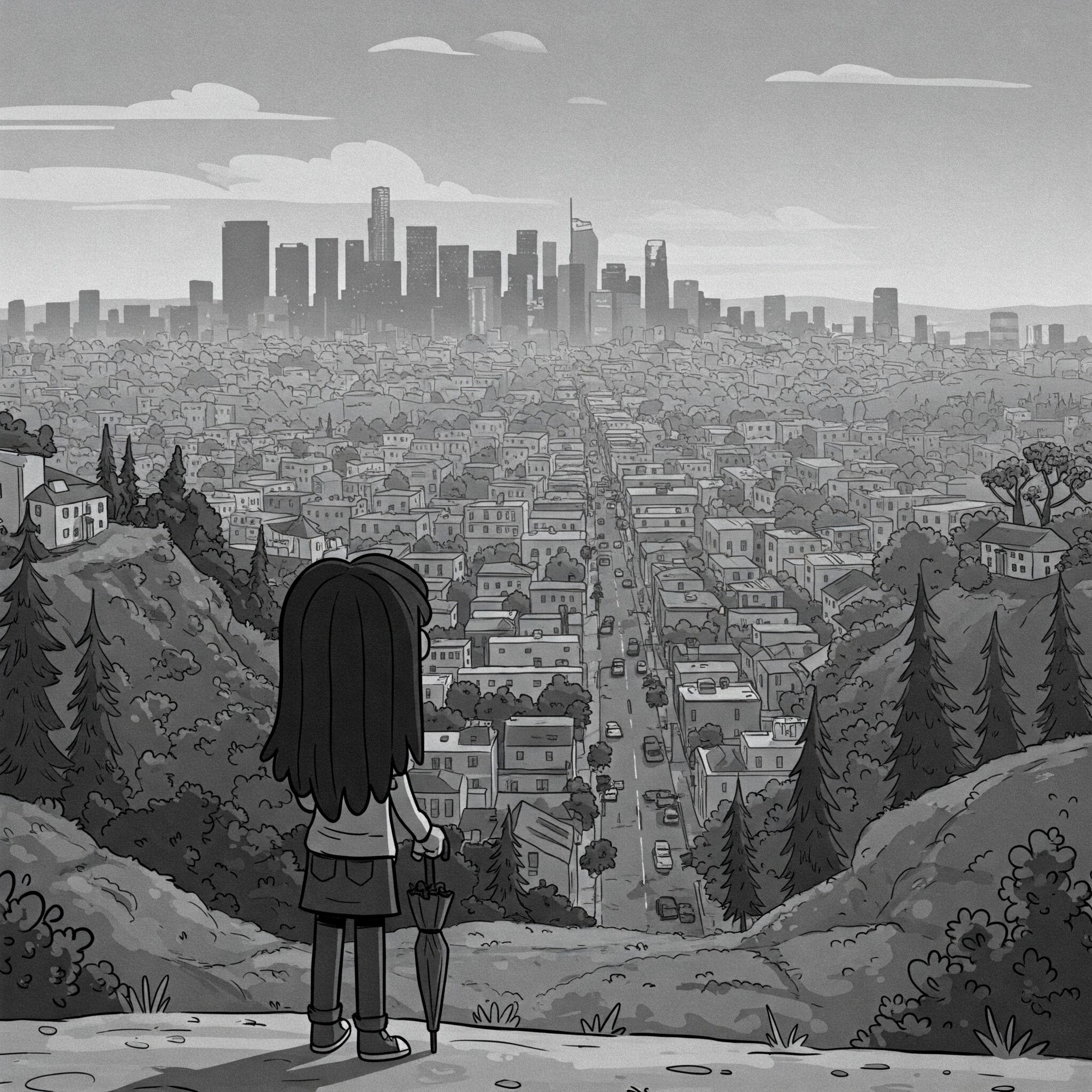
My life, as you’ve learned, isn’t a story; it’s a full-blown telenovela. And the pilot episode? My dramatic exit from preschool, mid-year, and my forced entry into the strange, cloistered world of kitchen-table homeschooling.
While other kids finger-painted and sang nursery rhymes, I was deciphering textbooks at our kitchen table, a space that morphed from a place of meals to a place of forced education. My mother, Estella, driven by a religious fervor, decided traditional schooling was a threat to our souls. Or at least, that’s what she told us. Liam, too, was plucked from kindergarten, his first taste of formal education cut short. Years later, Ricardo, in a moment of rare honesty, revealed the true, more complex reasons. But for a long time, the narrative was Estella’s: control. Control of our minds, our environment, our very understanding of the world. These memories, even now, are shrouded in a strange, dreamlike haze. A defense mechanism, I suspect, a way my young mind coped with the surreal reality of my childhood.
I remember that day, the day my world shrank. I was too young to grasp the implications of ‘homeschooling.’ All I knew was that the colorful blocks and sing-alongs were gone, replaced by the sterile hum of our home, now a classroom. Estella, my mother, became my sole educator, a role she approached with the same zeal she applied to everything else.
Our days were meticulously structured around a state-approved Catholic curriculum, a bizarre blend of academics and religious indoctrination. Even math problems were biblical parables in disguise: ‘If two apostles join two more, how many does Jesus have now?’ There were no field trips, no playground recesses, just the endless drone of Estella’s voice and the rustle of textbook pages, each one a testament to our isolation.
Then there was ‘modesty,’ a word that became the suffocating fabric of my existence. My wardrobe was a collection of archaic rules, each garment a symbol of our separation from the ‘normal’ world. That world, the one with cartoons and friends, was glimpsed only through the distorted lens of PBS, the only approved channel. Questions, especially the ones that challenged Estella’s worldview, were met with scripture, not answers. Individuality was a sin, a dangerous deviation from the path she had laid out for us.
Each morning, I dressed not for learning, but for an invisible audience, an audience of religious ideals. The kitchen table became a battleground, where incorrect answers or perceived disrespect were met with the sharp sting of a ruler across my knuckles. Ricardo, my father, with his volcanic temper, was Estella’s ultimate weapon, the boogeyman she wielded to enforce compliance. ‘Finish your work, or I’ll tell your father,’ she’d hiss, her voice laced with a dark promise. ‘You know I can’t stop him once he starts.’ I was five, and the fear was a constant, gnawing presence in my stomach.
Looking back, I see the seeds of my ‘telenovela’ life being sown: family secrets, religious rigidity, emotional isolation. Yet, even then, a spark of defiance flickered within me, a tiny ember of curiosity that would carry me through the dramatic saga that followed.
Lila, too young for homeschooling, became Estella’s golden child. Her cries were met with doting attention, often at our expense. ‘You’re distracting her,’ Estella would snap, her eyes accusing. ‘Do your work quietly.’ Liam, bless his patient soul, became my lifeline, my silent ally in this strange, forced existence. When Estella grew bored of structured lessons, she discovered ‘park groups,’ gatherings of Catholic homeschoolers. These became my refuge, a brief escape into a world where I could interact with other children, a brief respite from the suffocating control of our home. Unlike me and Liam, Caleb attended a private Catholic high school, a stark reminder of the different roles we played in our parents’ carefully constructed world.
Estella and Ricardo, obsessed with appearances, pushed us into constant sports, ensuring we wouldn’t ’embarrass’ them. My days were a relentless cycle of nine subjects, workouts, and chores, all under the looming threat of Ricardo’s wrath.
Ricardo, working long hours, returned home on weekends to enforce impossible chores, using physical punishment as his tool. Estella, meanwhile, provoked his anger, then played the victim, painting herself as our protector. This twisted dynamic created a cycle of fear and manipulation, a dance of control and abuse that shaped my understanding of family.
At seven, a conversation with a friend at park group revealed the stark contrast between our realities. ‘I get smacked with a belt,’ I told her, the words slipping out. The horror on her face is a memory seared into my mind.
Two weeks later, a CPS agent arrived, a direct result of that conversation. During the interview, I, realizing the stakes, carefully chose my words, emphasizing my love for my parents and home. The agent, finding our home ‘adequate,’ left with a warning against physical punishment.
For a brief, precious time, the beatings stopped. But Estella’s manic behavior and Ricardo’s anger could only hold for so long. The reprieve was temporary, a mere pause in the unfolding drama of my childhood ‘telenovela.’
 My Soul's Notes
Leave a comment