Trigger Warning: This post discusses restrictive upbringing, body shaming, and lack of sex education.
Growing up, my body felt like a secret to be hidden, a source of potential sin. From the age of nine, Estella dictated my wardrobe with an iron fist fueled by fear. Tank tops were forbidden, regardless of strap width. Pants and shorts had to fall below the knee. Everything I wore swam on me, a size too big and relentlessly plain, all in an attempt to conceal my growing body. While other girls my age twirled in bright colors and sundresses, I was relegated to shapeless capris and oversized boys’ shirts. For a long time, I genuinely believed I was a tomboy.
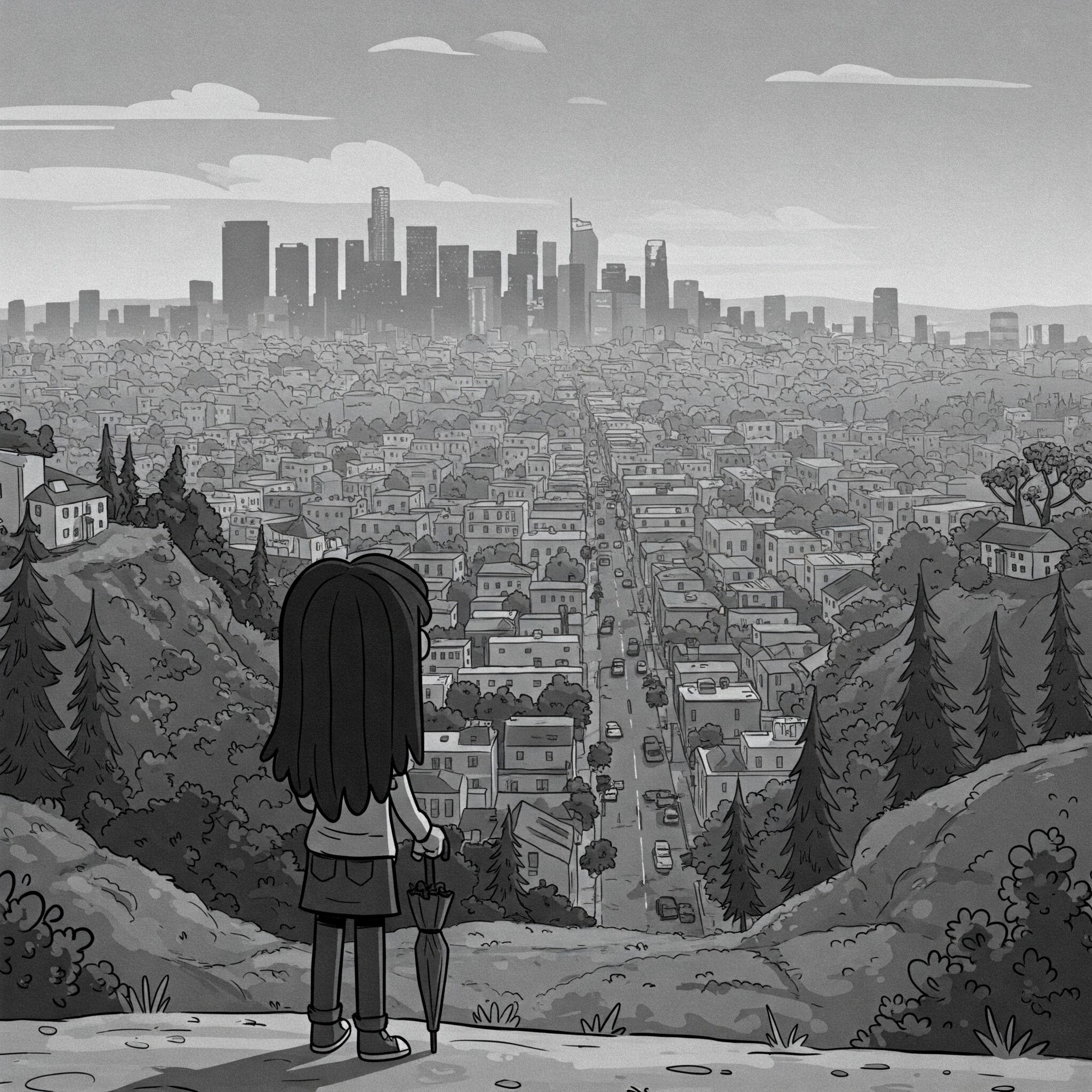
The world of makeup and nail polish was met with outright disgust and horror. Any innocent inquiry about these things from me would elicit a visceral reaction from Estella, making me feel inherently gross and perverted for wanting to paint my nails like my friends. I remember countless park days, a silent observer as the other homeschooled girls adorned each other’s nails with vibrant colors, a simple act of youthful camaraderie I was barred from. Even on the car ride home, Estella would ensure the “sinfulness” of what I’d witnessed was clear, expressing her shock that her own friends, those parents, would allow their daughters to be “sluts.” In the sweltering Los Angeles heat, she’d often drape a blanket or jacket over my legs in the car, terrified a passing truck driver might “peer in” and see me, labeling them as perverts in the same breath.
In Estella’s eyes, every male interaction carried a sinister undertone. Having boyish friends meant I harbored sexual intentions. Even asking to wear a tank top in the oppressive heat was twisted into a desire to be “sexy for men.” This constant suspicion and judgment became a recurring, painful theme of my childhood, leaving me feeling perpetually exposed and fundamentally ugly. It profoundly distorted my self-perception.
The shame extended even to the most natural aspects of womanhood. When I started my period, there was no gentle guidance, only a curt acknowledgment of the pads in the bathroom cabinet and the designated trash can. “That’s a period,” Estella stated flatly. “It’s normal. There are the pads. Should last around a week and will hurt. It occurs once a month.” That was the extent of the conversation. It was through the whispered knowledge shared by my friends and their more open parents that I began to understand what was happening to my own body, knowledge I would later try to pass on to my younger sister, Lila.
Around the age of eleven or twelve, the hushed whispers about how babies were made began circulating among my peers, often accompanied by childish disgust. A noticeable divide formed between the boys and girls as new emotions began to surface, a natural part of growing up. I remember the sting of being mocked by some kids on my AYSO soccer team for not knowing the proper terms for male and female anatomy. I only knew them as “pee pee” and “bottom.” Their teasing for my ignorance was sharp and humiliating.
One night, under the cloak of silence while the rest of the house slept, I crept to my older brother’s old iPod, a device he’d painstakingly saved for and bought himself. Driven by a desperate need to understand, I Googled the words that had been used to mock me. The battery was low, and it died quickly, leaving me to hide the iPod in my sock drawer, consumed by shame for what I had done.
The iPod remained missing for a while until my mom stumbled upon it in my sock drawer and plugged it in to charge. What she found in the search history sent her into hysterics. Her cries echoed through the house, branding me a pervert for all to hear. I was swiftly bundled into the car with Ricardo for a tense, silent ride to the Priest.
The lecture from the Priest felt endless, each word a weight pressing down on my already burdened spirit. Finally, he turned to my mother and asked the question that hung heavy in the air: why hadn’t she taught me about sex education? She stammered, claiming I was too young and that she had been planning to have “the talk” with me. The focus of the session shifted, the Priest’s gentle scolding of me morphing into a firm reprimand of Estella’s parental neglect. He had listened to my confused account and concluded that Estella had indeed failed me, recognizing that my innocent “what is this?” searches on the iPod were a far cry from the graphic pornography she had hysterically accused me of seeking.
The car ride home was filled with Estella’s hushed, angry words to Ricardo. She felt it was “weird” that an “old man” had spoken to me about sex, suggesting he had ulterior motives, that he was trying to “groom” me. She expressed her disappointment with the session, lamenting that she should have taken me to a nun instead, someone who was a woman, not a man.
That day, returning home felt like entering a space filled with judgment. I couldn’t bring myself to look at my siblings, the label of “sick and twisted pervert” clinging to me like a suffocating shroud. I was told, implicitly and explicitly, that there was something fundamentally wrong with the way I thought and the questions I had.
It took years for me to unravel the tangled threads of my past and recognize the truth: Estella’s fear and judgment were not about me. They were a projection, a dark shadow cast by her own history of sexual trauma. It was only when I finally connected those painful dots that Estella’s carefully constructed world began to crumble, and the long, arduous journey of healing could finally begin.
 My Soul's Notes
Leave a comment