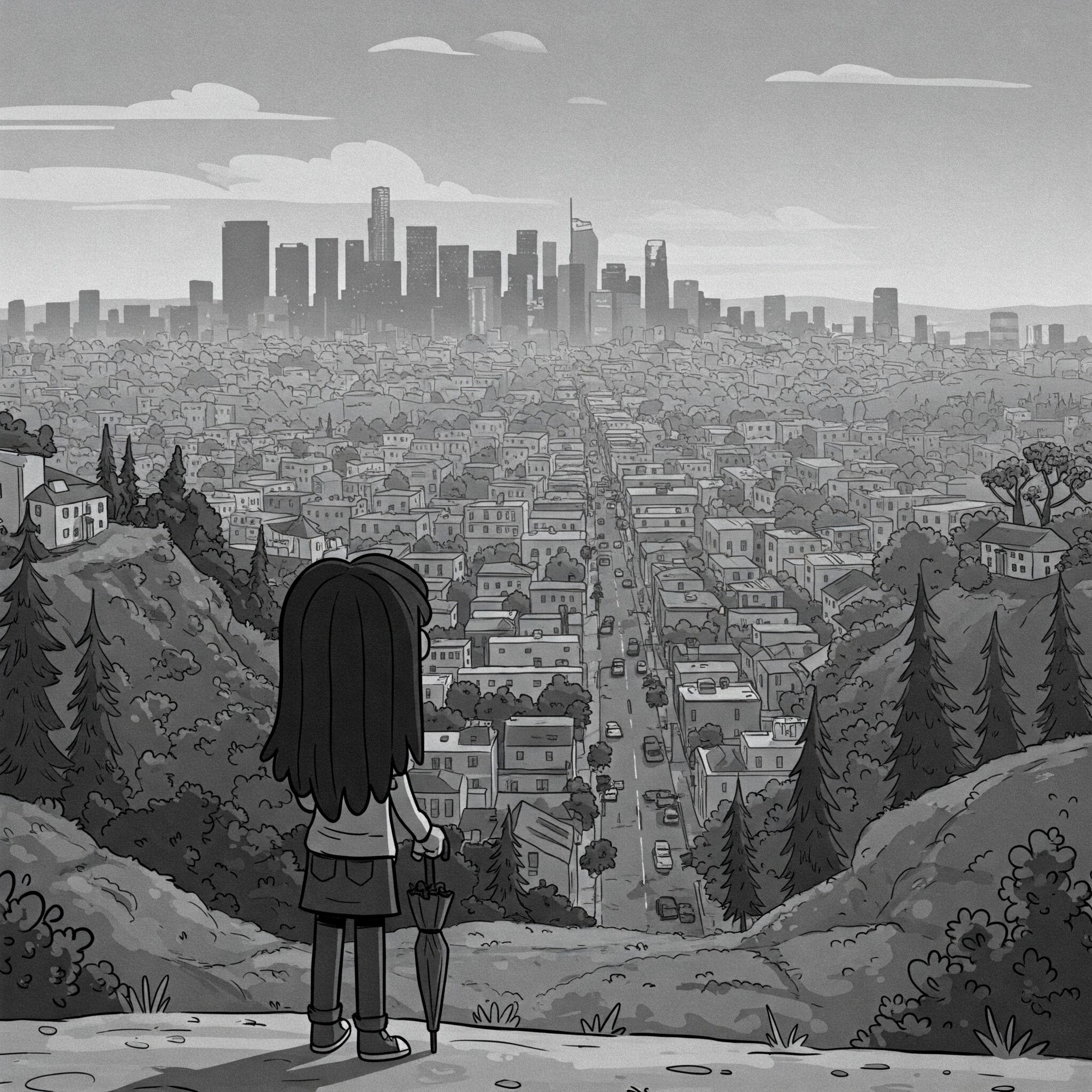
I never held any negativity towards homeschooling; in fact, I found it to be incredibly beneficial for my development. From ages five to ten, my days settled into a predictable rhythm guided by a comprehensive Catholic curriculum that spanned over nine subjects. Each day, Estella would provide Liam and me with a lesson plan, which we would diligently follow, completing our assignments together at the kitchen table.
For the initial year or two, Estella was dedicated and largely adhered to our schooling routine. On days when one of us wasn’t feeling well or simply desired a more relaxed pace, we would focus on subjects that allowed for flexibility. Liam and I became partners in learning, supporting each other through the various topics.
What remains a particularly perplexing memory is my father, Ricardo’s, extreme opposition to our homeschooling. Our education became a constant source of conflict and arguments within the household. Ricardo harbored a deep-seated fear that we weren’t receiving an adequate education, a concern rooted in his growing public profile as a local government figure. He worried that our perceived lack of traditional schooling would be a source of embarrassment for him.
These anxieties would sometimes manifest in tense quiz sessions at the table. Ricardo would pepper us with questions that often held unrealistic expectations. When we inevitably stumbled, his frustration would erupt, directed at Estella: “Why are you refusing them access to an education? Didn’t you know they would turn out unintelligent because of this? What will my colleagues think?”
Estella, equally resolute in her convictions, would fiercely defend her choices. “I am following the State-approved lesson plans,” she would retort. “They cannot attend those schools. There is an agenda being forced upon my children that I cannot condone for their young and impressionable minds. They are gone all day at such a tender age; it’s simply not fair that they don’t get to be home.”
Adding another layer to our unconventional schooling was Estella’s reliance on a rather unusual communication method. During the 2008 FIFA World Cup, my brother Liam acquired a vuvuzela, one of those loud, distracting horns favored by the crowds (we didn’t even attend the games; he just liked the novelty). Soon, this vuvuzela became Estella’s way of summoning us to her room, where she often remained in bed throughout the day. One blast meant Liam, two for me, three for Lilah, and four for all of us. Looking back, the image of our mother using a loud horn to call us while she stayed in bed watching television now strikes me as decidedly abnormal. Even as a child, a part of me wondered if something more was going on with Estella. Her persistent lack of energy and desire to stay in bed made me think, even then, that she might be struggling with depression.
This underlying tension surrounding our education persisted until a significant turning point: Ricardo enrolled us in Kumon. Estella, though resistant, begrudgingly took us to the learning center. I must admit, Kumon proved to be quite beneficial. It offered a structured environment where I could learn and, crucially, have a patient adult figure to address my questions. While homeschooling allowed for self-paced learning, Kumon provided the valuable opportunity for immediate clarification and support.
The introduction of Kumon seemed to spark a realization in Estella that she might need additional support for our homeschooling. She subsequently took the initiative to register as her own charter school with the state. This opened up avenues for funding that could be used for various educational resources, from classes to learning activities and course materials.
When Estella discovered this funding opportunity, she shared the news with Ricardo. His reaction was to immediately identify classes and activities that he could then showcase to his professional network. For Estella, this was a welcome development, as it meant she could enroll us in external programs, lessening her direct teaching responsibilities. As children, we were ecstatic. It meant more opportunities to leave the house beyond our usual park days, allowing us to spend time with friends in their classes and activities.
This shift dramatically altered our daily lives, with Estella becoming our chauffeur, diligently transporting us to our various enriching pursuits.
 My Soul's Notes
Leave a comment