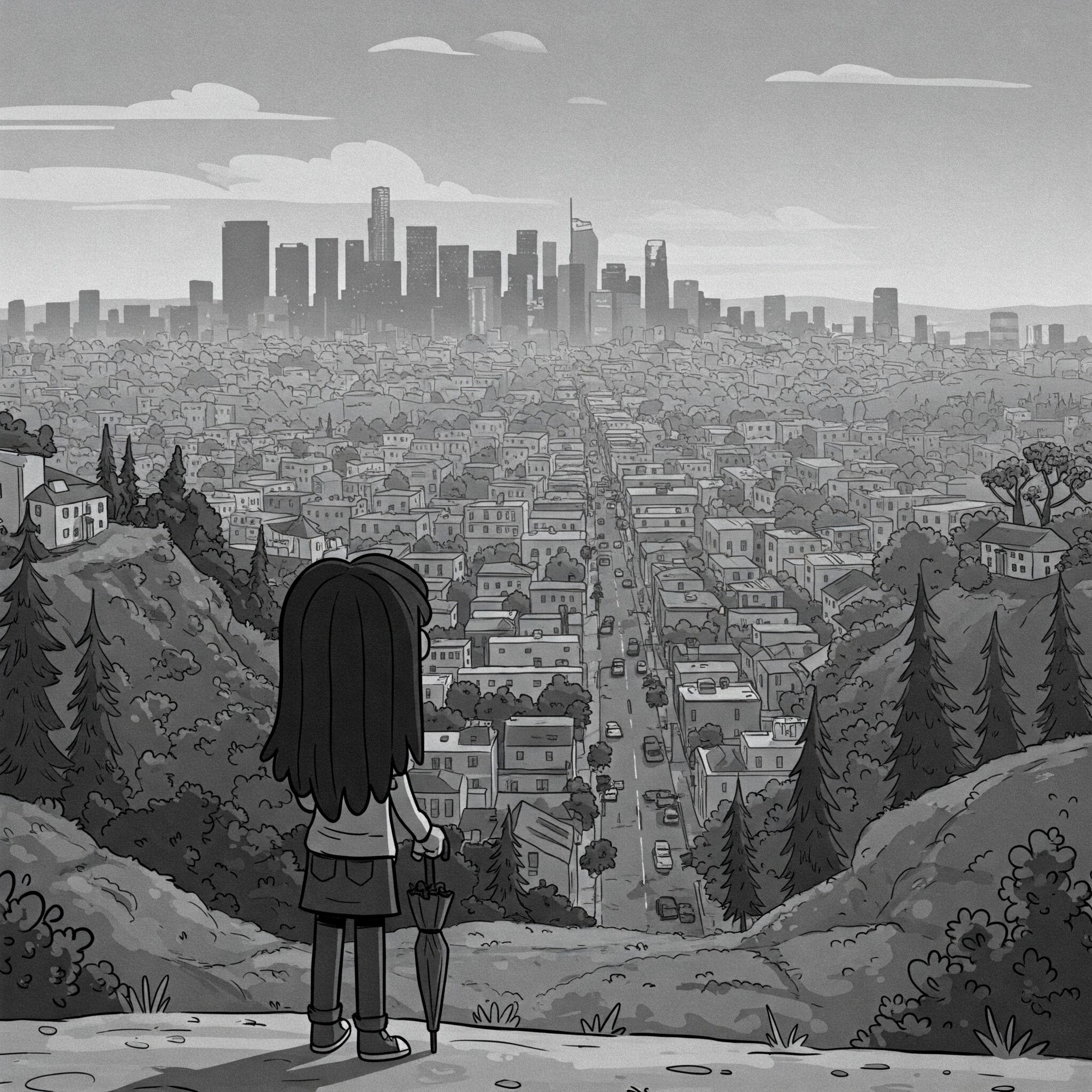
Lately, I’ve been feeling a bit overwhelmed. A word I stumbled upon recently stuck with me: zoochosis. It refers to the abnormal, repetitive behaviors seen in captive animals, things like pacing, rocking, or even self-harm. It’s a term used to describe the psychological distress animals experience when they’re removed from their natural environments and confined.
But what struck me is how eerily similar it sounds to what many humans are experiencing today. There’s a growing conversation around “enculturated captivity” how our modern way of life might be triggering similar responses in us, especially as we disconnect from nature, freedom, and movement.
I’ve especially felt this since transitioning to a full-time desk job.
Tomorrow I turn 26, and I’ve been reflecting on the many jobs I’ve held since I was 13: babysitting and nannying (which I still do), food service jobs, retail at specialty boutiques, working at Trader Joe’s, and being a family assistant managing entire households.
What I loved about those jobs was the movement, the people, and the sense of creative spontaneity. No two days looked the same. I was always on my feet, engaging directly with others, adapting, and often working on my own terms.
Now, I work as an Urban Planner in local government. And don’t get me wrong, I really like the work. It’s meaningful, especially when I get to connect with residents and help solve community issues. But the structure? That’s been harder to adjust to.
Being required to sit at a desk for 40 hours a week, even after I’ve finished my tasks, just to “be available” is draining. Waiting for multiple layers of approval to implement something simple can feel like slow suffocation. There’s a quiet fatigue that builds up, not from the work itself, but from the way it’s boxed in.
It made me ask myself:
Why am I so drained after a day at the office when I used to work three jobs at once, earning far less, and still had energy left over?
At first, I blamed it on getting older. But I still nanny after work, and that doesn’t leave me nearly as tired. After talking with friends in similar desk jobs, I realized this exhaustion is not just physical, it’s psychological. It’s the kind of fatigue that comes from being still when your body and spirit are used to motion.
That’s when I started to wonder:
When did we agree this was the way we’re supposed to live and work?
A Brief History of the 40-Hour Workweek
The 40-hour workweek began to take shape in the early 20th century as labor activists pushed for more humane conditions. Back then, workers were putting in 10 to 16 hours a day, six days a week, often in dangerous, exhausting factory conditions.
Key milestones:
- 1866: The National Labor Union called for an 8-hour workday (not widely implemented).
- 1926: Henry Ford instituted the 40-hour, 5-day workweek at Ford Motor Company to increase morale and productivity.
- 1938: The Fair Labor Standards Act officially established the 40-hour workweek and required overtime pay.
- Post-WWII: The rise of white-collar jobs and the shift toward a service-based economy solidified the “9-to-5” as the standard, especially in the 1950s and ‘60s.
And yet…our bodies didn’t evolve for this.
We weren’t made to sit motionless in chairs for most of the day, eyes locked on screens, deprived of sunlight and movement. No wonder we feel caged.
Even those who work remotely often feel trapped, always “on,” always reachable. The line between rest and productivity is blurred. And beyond that, many of us feel pressure to work more than one job just to survive.
We’re overloaded with choice, overloaded with social pressure, and overloaded with expectations from our bosses, from society, and sometimes from ourselves.
So where does that leave us?
I also want to acknowledge that this reflection comes from my lived experience. I know that not everyone has the same relationship with work, structure, or movement. For some, desk jobs offer stability, fulfillment, or even a sense of purpose. This isn’t a critique of those paths, just an honest exploration of how this shift has affected me personally, and maybe others who feel similarly but haven’t found the words yet.
I don’t have a tidy answer yet. But I do know this: the first step to breaking out of any cage is noticing you’re in one.
So where does that leave us?
This isn’t just about work. It’s about freedom, well-being, and reclaiming our humanity. It’s about listening to the signals our minds and bodies are sending us, and questioning systems we’ve inherited but never agreed to.
But while so much feels out of our control, there is one thing we do have power over: our mindset.
We can choose to see work for what it is means to an end, not the end itself. Our jobs help fund our lives, but they aren’t our lives. Understanding this can give us the distance we need to preserve our energy and identity. Change, whether it’s within the workplace or culture at large, takes time. But it can happen. And the more we lead by example, the more it ripples outward.
We also have control over how we separate work from life. We can push ourselves to be more intentional, to protect our rest, our time, our sense of self.
We can choose what we eat, and how we nourish our bodies. We can make space to move, to go outside, to soak in the sun. We need it, we’re like plants, after all, and vitamin D is proven to boost both physical and mental health. Find an outdoor activity that leaves you feeling refreshed, grounded, reclaimed even if it’s just a walk.
And maybe most importantly, we can push ourselves to connect. We are social beings, wired for community even the most introverted among us. We thrive with support, touch, laughter, shared burdens. That’s not weakness. That’s biology. That’s what makes us human.
In summary:
We may live in systems that confine, but we are not powerless.
We can reclaim our bodies through movement.
Reclaim our peace through intention.
Reclaim our joy through connection.
The cage might be real, but so is the key.
Take care of yourself. Feed your soul. Go outside.
You’re not meant to wither under fluorescent lights.
You’re meant to bloom.
 My Soul's Notes
Leave a comment