I’m going to jump a little ahead in my story.
My parents fought constantly. There wasn’t a season of my childhood where I remember them being at peace with each other. Even the quiet moments carried an undercurrent of resentment. What I realize now is that they weren’t just discontent with each other, they were discontent with themselves. Instead of facing that truth, they turned one another into the problem.
One of their favorite battlegrounds was our house. We were six people squeezed into a three-bedroom, two-bathroom home, and every argument circled back to how cramped it was. They claimed the walls were closing in, that we were suffocating, that the house itself was the source of their unhappiness.
Now, years later, after living in San Francisco where people happily build lives inside apartments the size of closets, I see it differently. You don’t need endless square footage to be happy. Space is nice, but it isn’t everything. A little creativity, some good organization, and the willingness to focus on joy rather than lack can carry a family far. What my parents didn’t understand is that their misery had nothing to do with square footage. They hoarded things, they hoarded bitterness, and in the process the house became just another reflection of their unrest.
By the time I was sixteen, the decision was made: the house would be sold. We packed our belongings, said goodbye to the only childhood home we knew, and moved into my grandparents’ place while my parents searched for something bigger.
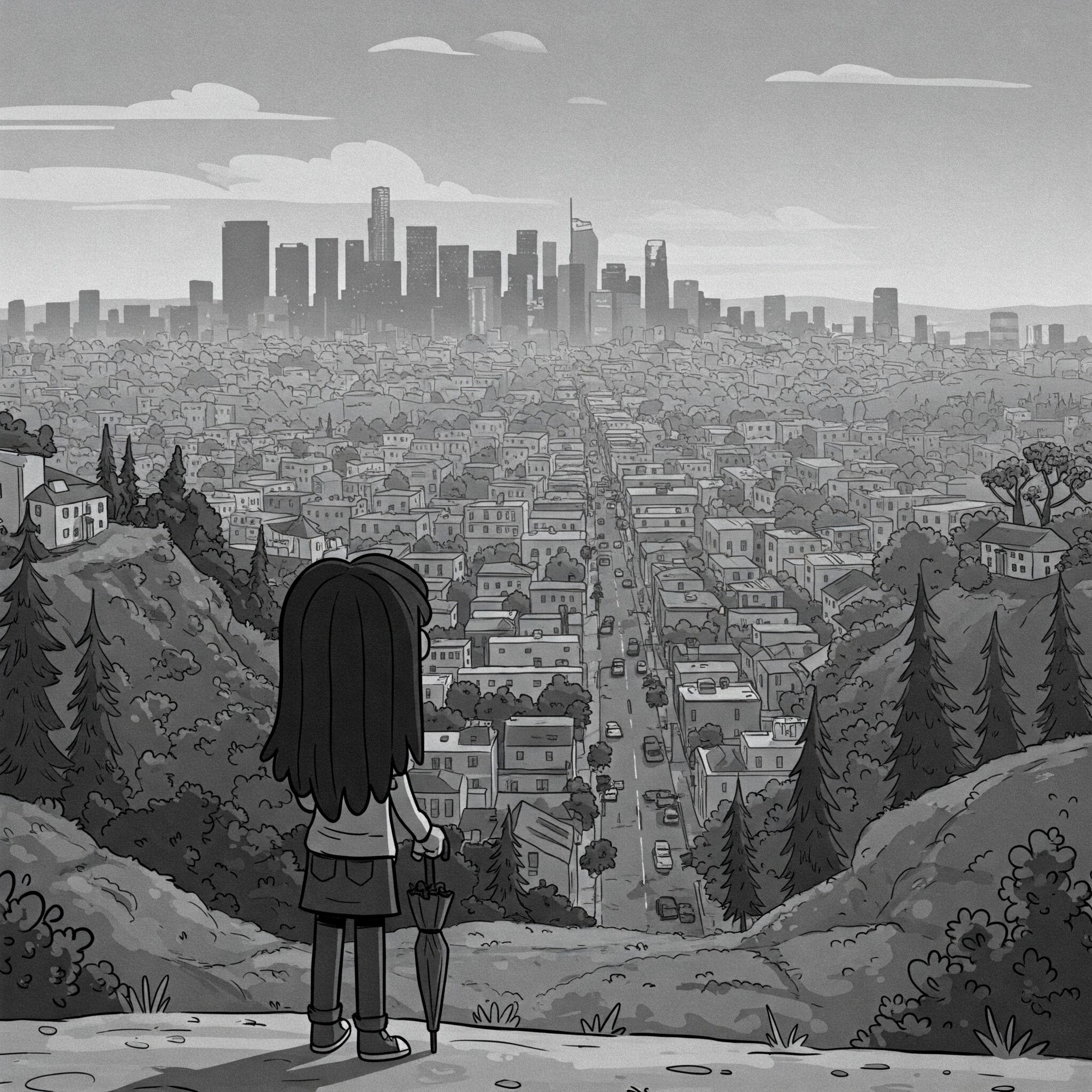
When they finally found it, the excitement was almost contagious. This new house would fix us. This was the fresh start. The place itself was unique — a corner lot that curved with the road, with a layout most buyers found inconvenient. The primary bedroom sat alone on one end of the house, while the rest of the bedrooms perched up a set of stairs on the opposite side. Because of this quirk, my parents were able to buy it at a price that felt like a steal for the neighborhood.
Estella, my mother, had complicated feelings about that house. On one hand, she loved telling people about the deal we got. On the other, it made her feel like she didn’t belong. She was constantly comparing herself to our new neighbors — people who were surgeons, judges, professionals with long titles and important roles. She reminded us often that she drove an old SUV while everyone else seemed to have something shiny and new in their driveways. She reminded us that my dad only worked for local government. She reminded us of our place.
Her insecurities showed up in little ways. If a neighbor invited us to dinner, she would decline, then spend the evening criticizing them. “They’re never home. Do they even care about their family?” Or she’d scoff about the mother across the street, who dropped her child off for school in nice clothes and makeup every morning. “How vain. Who is she trying to impress?”
As a teenager, I absorbed all of this but interpreted it differently. I saw neighbors who were fulfilled by their careers, who supported each other in building lives they were proud of. I saw women who cared enough about themselves to get dressed for the day, who wore their accomplishments without apology. My mother, however, only saw her own inadequacy reflected back at her. She turned admiration into contempt.
In her mind, we were outsiders. In mine, we were just people living next to other people. But my mother never let us forget that she believed we didn’t measure up.
That house never fixed anything. It just gave us more walls for the fighting to echo off of. My parents carried their old battles into a new space, and the promise of peace dissolved into the same pattern of blame and bitterness. It was never the house. It was them.


 My Soul's Notes
Leave a comment